The 5 best stretch mark creams and oils for 2026
Compare five stretch mark creams, oils and bump-care products for pregnancy and postpartum skin, with realistic guidance on texture, fragrance and comfort.
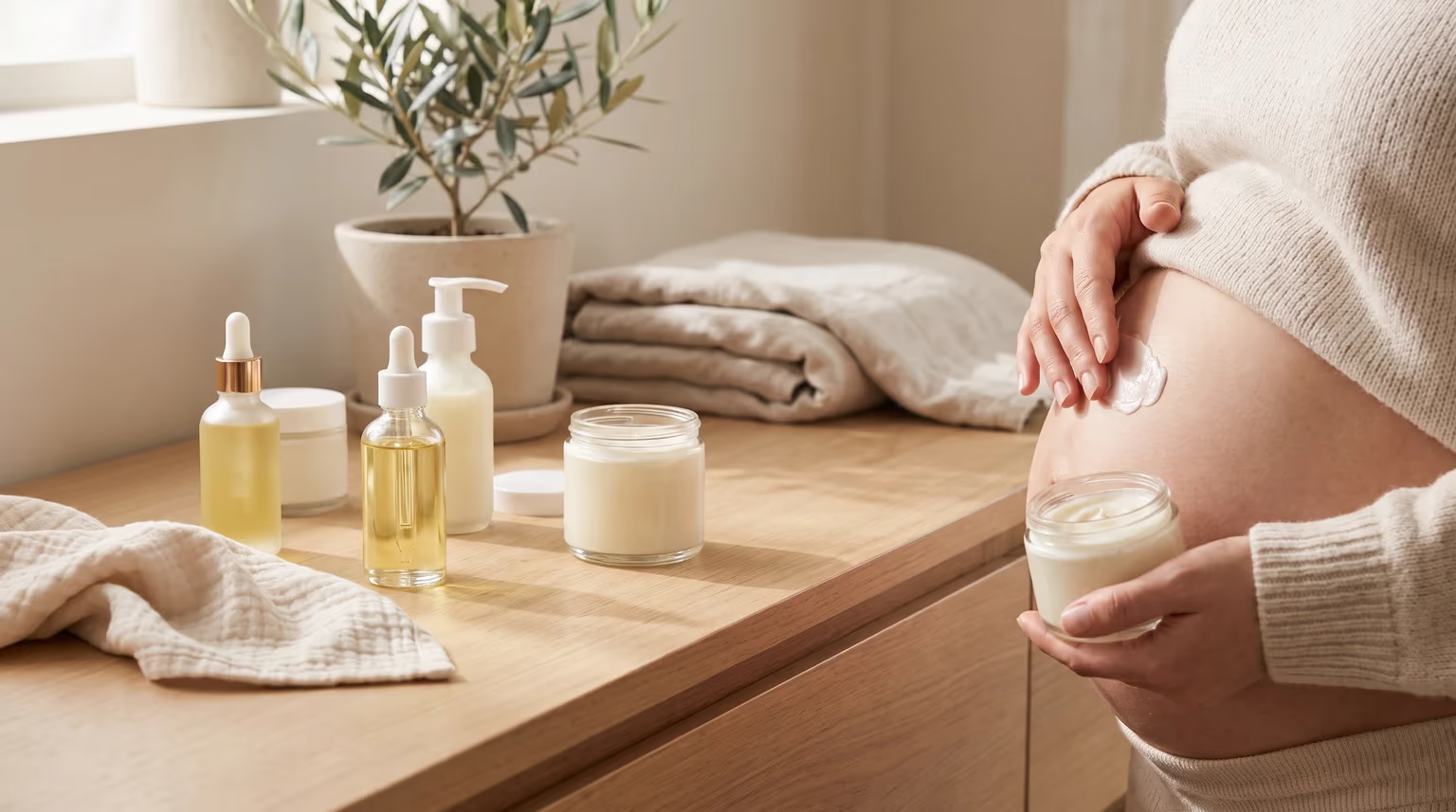
"Stretch mark creams" often means more than creams when you are choosing for pregnancy or postpartum skin: oils, body butters, serums and bump-care balms can all sit in the same decision. The best choice is the one you will use consistently without irritating tight, dry or scent-sensitive skin.
Compare | |||||
|---|---|---|---|---|---|
| Best for | Best for The classic popular oil | Pregnancy-first body butter | A richer everyday tub | Tight-feeling skin | Classic cocoa-butter texture |
| Format | Format Stretch mark oil | Body butter | Bump butter | Serum | Tummy butter |
| Skin feel | Skin feel Light oil for massage | Rich, creamy butter | Richer tub texture | Targeted serum feel | Dense cocoa-butter balm |
| Worth noting | Worth noting Check the label if pregnant | Do not read prevention claims literally | Richer and scented | Worrying itch needs advice | Can feel heavy on clothes |


How to choose a stretch mark cream, oil or butter
Start with texture. A body butter is usually better if your skin feels tight and you like a richer massage step; an oil suits parents who prefer glide and a lighter after-shower routine; a serum can feel more targeted if comfort is the main issue.
Fragrance matters too. Pregnancy and postpartum skin can be more reactive, so a familiar scent is not always the gentlest choice. If you already avoid perfume in skincare, choose the simplest-feeling formula first and patch test before using it widely.
Keep the promise realistic. The NHS describes stretch marks as common and harmless in pregnancy, and Cochrane found no high-quality evidence that topical products reliably prevent them. That does not make these products pointless; it just means they are best judged as moisturising comfort products, not cures.
The best stretch mark creams, oils and bump-care products
These five picks cover the main formats parents tend to compare: a classic oil, two richer butters, a comfort-focused serum and a familiar cocoa-butter option.
1. Bio-Oil Skin Care Stretch Mark Oil

Bio-Oil is the obvious pick if you want the best-known stretch mark oil rather than a rich cream. It is hugely popular and widely reviewed, which makes it a practical first stop for parents who already like the feel of body oils.
Why did we choose this product?
Choose it if you want a light, massage-friendly oil with a long track record in stretch mark skincare. It suits an after-shower routine better than a thick bedtime balm, and it is easy to spread over bump, hips, thighs or postpartum skin without using much product at once.
The main appeal is familiarity. Many parents already know the texture and scent, and the bottle format is simpler if you dislike digging into tubs. It is especially strong for readers who are comparing stretch mark oils alongside creams and want the most established oil option.
Keep in mind
This is not the most pregnancy-first recommendation in the list. Pregnant readers should check the current ingredient label for Vitamin A and ask a midwife, GP, pharmacist or dermatologist if they are unsure about ingredients. Keep expectations sensible too: treat it as a moisturising oil for skin feel and massage, not as a guaranteed way to prevent or remove stretch marks.
Features that may help you
•Best for: parents who want the classic stretch mark oil rather than a cream
•Format: body oil
•Routine fit: a lighter massage step after bathing
•Good fit if: you prefer an easy-spread oil over a richer butter
•Watch out for: pregnancy ingredient label-checking and a recognisable scent
2. Weleda Organic Mama Pregnancy Body Butter

Weleda Organic Mama Pregnancy Body Butter is the better pregnancy-first choice if you want a creamier, more cushioning product for bump care. It feels more naturally aligned with daily moisturising during pregnancy than a general stretch mark oil.
Why did we choose this product?
Pick this if your skin feels tight after showering or you want a richer product that encourages slow, gentle massage. The body-butter format makes sense for bump, chest, hips and thighs because it gives more slip and cushion than a thin lotion without turning the routine into a medical treatment step.
It is also one of the cleaner fits for pregnancy shoppers in this list. The product is clearly positioned for maternity body care, is well reviewed, and gives you a comfort-led option without relying on stronger oil or scar-reduction language.
Keep in mind
Do not treat prevention language as a promise. The safer way to judge this product is as a moisturising body butter for stretch mark-prone skin. If you dislike richer textures, it may feel like too much for hot weather or quick morning use.
Features that may help you
•Best for: a pregnancy-first body butter
•Format: rich body butter
•Good fit if: you want a creamier bump-care routine
•Texture: more cushioning than an oil or lotion
•Watch out for: prevention claims should be read cautiously
3. Mama Mio Tummy Rub Bump Butter

Mama Mio Tummy Rub Bump Butter is the one to consider if you want a bigger tub and a richer everyday bump routine. It sits between a practical daily moisturiser and a more indulgent body butter.
Why did we choose this product?
The 240 ml format is useful if you know you will apply generously across bump, hips and thighs. It is a good fit for parents who prefer a proper cream or butter texture over an oil and want something that feels like a dedicated pregnancy body-care product.
Choose it over a more targeted serum if you want the broader, easier everyday option. If you want a single tub to keep by the bed or in the bathroom, Mama Mio is easier to understand than a more specialist formula.
Keep in mind
It is still a richer, scented bump butter, so it may not be the first choice for very fragrance-sensitive skin. Use it for moisture, comfort and skin feel rather than expecting it to prevent stretch marks.
Features that may help you
•Best for: a larger everyday bump-butter tub
•Format: bump butter
•Good fit if: you like richer cream textures
•Routine fit: generous bump, hip and thigh moisturising
•Watch out for: fragrance and heavier feel if your skin is reactive
4. My Expert Midwife Stretch Mark Serum

My Expert Midwife Stretch Mark Serum is for parents whose main issue is tight, uncomfortable or mildly itchy-feeling skin. It is the most comfort-focused pick in the final five, especially if a thick butter feels too heavy.
Why did we choose this product?
Choose this if you want a pregnancy and postpartum product that feels more targeted than a general body butter. The serum positioning is useful for parents who are less interested in a classic oil and more interested in keeping stretching skin comfortable day to day.
Its role is distinctive: it is worth choosing when tight-feeling skin is the bigger problem and you do not want to lean on stronger treatment or scar-repair claims.
Keep in mind
Keep itch language modest. A moisturising serum may help skin feel less dry or tight, but severe, persistent, rash-associated or unusual itching in pregnancy should be checked with a midwife, GP, pharmacist or dermatologist.
Features that may help you
•Best for: tight or mildly itchy-feeling pregnancy and postpartum skin
•Format: serum
•Good fit if: butters feel too rich but oils are not your favourite
•Useful detail: more targeted feel than a traditional butter
•Watch out for: worrying pregnancy itch needs clinical advice
5. Palmer's Cocoa Butter Formula Tummy Butter

Palmer's Cocoa Butter Formula Tummy Butter is the familiar cocoa-butter choice. It is best for parents who want a classic dense texture and a straightforward tub rather than a lighter oil or serum.
Why did we choose this product?
The appeal is simple: a recognisable brand, a rich tummy-butter format and a familiar cocoa-butter feel. It is the pick I would look at if you already know cocoa butter suits your skin and you want something more balm-like for evening use.
Choose it for familiarity and texture rather than novelty. Not every parent wants a newer pregnancy-specific butter or a classic oil; some just want the familiar cocoa-butter feel for dry, stretching skin.
Keep in mind
It can feel heavier than the oil and serum picks, and it may transfer more easily to clothing or bedding if you apply too much. Do not choose it as an automatic budget pick; judge it on texture and familiarity rather than assuming it will be the cheapest option.
Features that may help you
•Best for: a classic cocoa-butter tummy butter
•Format: dense butter or balm-style tub
•Good fit if: you prefer a rich evening moisturising step
•Texture: familiar cocoa-butter feel for dry, stretching skin
•Watch out for: heavier texture and no unverified budget claim
What stretch mark creams can and cannot do
Stretch marks are part of how skin responds to stretching, hormones and individual skin elasticity. They are common in pregnancy, often fade after birth and may not disappear completely. A cream or oil can make skin feel more comfortable, but it should not be sold to you as a guaranteed way to stop marks forming.
The useful part is the daily care. Moisturising products can help dry skin feel softer, reduce that tight feeling after a shower and make gentle massage more comfortable. The NHS stretch marks page gives the practical takeaway: be wary of removal, scar repair or medical treatment wording.
This is also why the shortlist includes mixed formats. Oils, butters, balms and serums can all be sensible stretch mark products if they fit your skin and routine. The format is less important than whether it is comfortable enough to use regularly and cautious enough for pregnancy or breastfeeding.
Using stretch mark products during pregnancy and postpartum
If your skin is dry, tight or mildly itchy, an emollient-style product can be a useful comfort step. Apply gently rather than scrubbing, especially over a stretching bump or tender postpartum skin. If itching is severe, persistent, comes with a rash, or feels unusual, ask a midwife, GP, pharmacist or dermatologist rather than relying on a body cream.
If you are sensitive to fragrance or essential oils, do not assume "natural" automatically means gentler. Fragrance and essential oils can irritate some skin, so it is worth starting with a small area and stopping if you notice redness, stinging or worsening itchiness.
Be especially careful with retinoids or retinol-style skincare in pregnancy. UK pregnancy guidance from BUMPS and GOV.UK/MHRA safety advice supports a precautionary approach to topical retinoids during pregnancy, so check labels and ask a healthcare professional if you are unsure. This is one reason Bio-Oil is ranked as the strongest classic oil rather than the most pregnancy-first pick.
For the wider comfort setup after birth, related kit can matter too. A supportive nursing pillow may help with feeding positions, and a comfortable baby carrier, sling or wrap can make short newborn outings easier when you are still recovering.
Frequently asked questions
References::
- NHS: Stretch marks in pregnancy
- NHS: Stretch marks
- Cochrane: Topical preparations for preventing stretch marks in pregnancy
- NHS: Emollients
- NICE CKS: Itch in pregnancy
- GOV.UK/MHRA: Retinoid medicines and pregnancy precautions
- BUMPS: Topical retinoids in pregnancy
- British Association of Dermatologists: Emollient use in skin conditions
- DermNet: Allergic contact dermatitis to essential oils