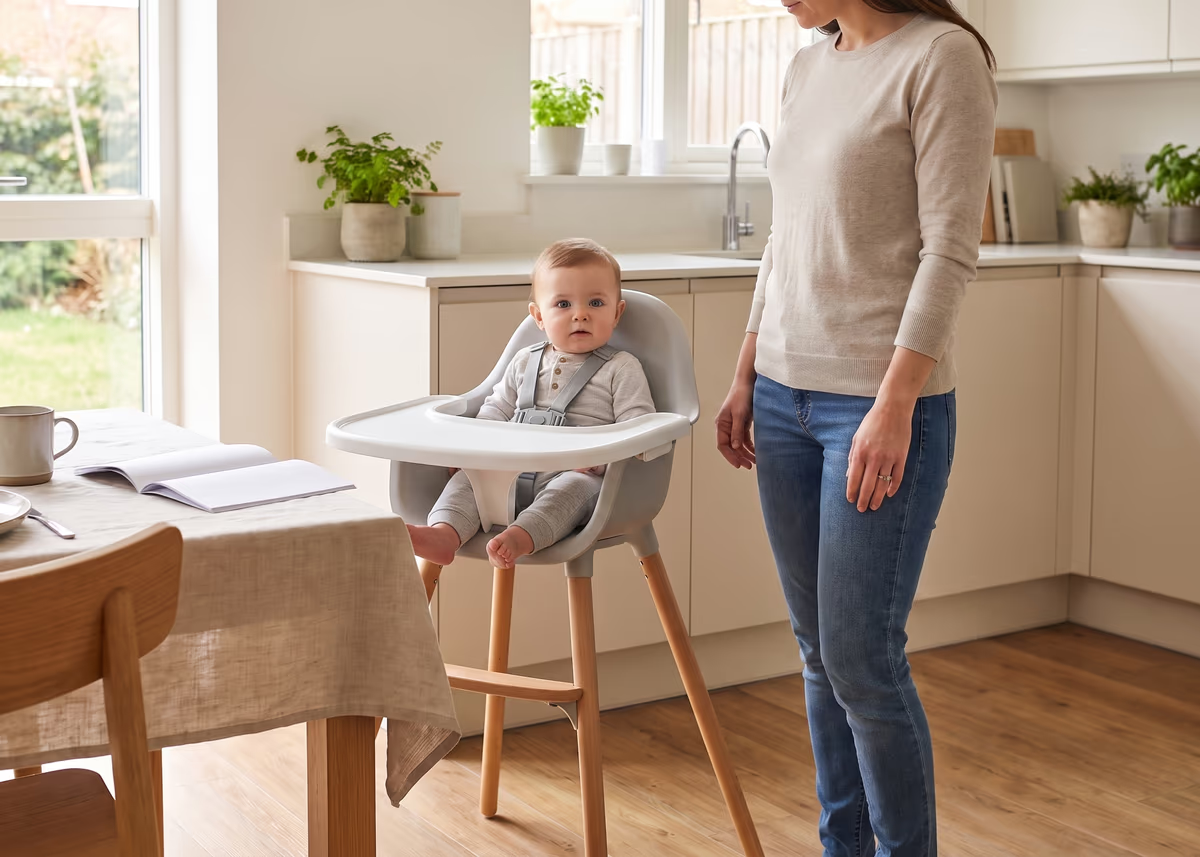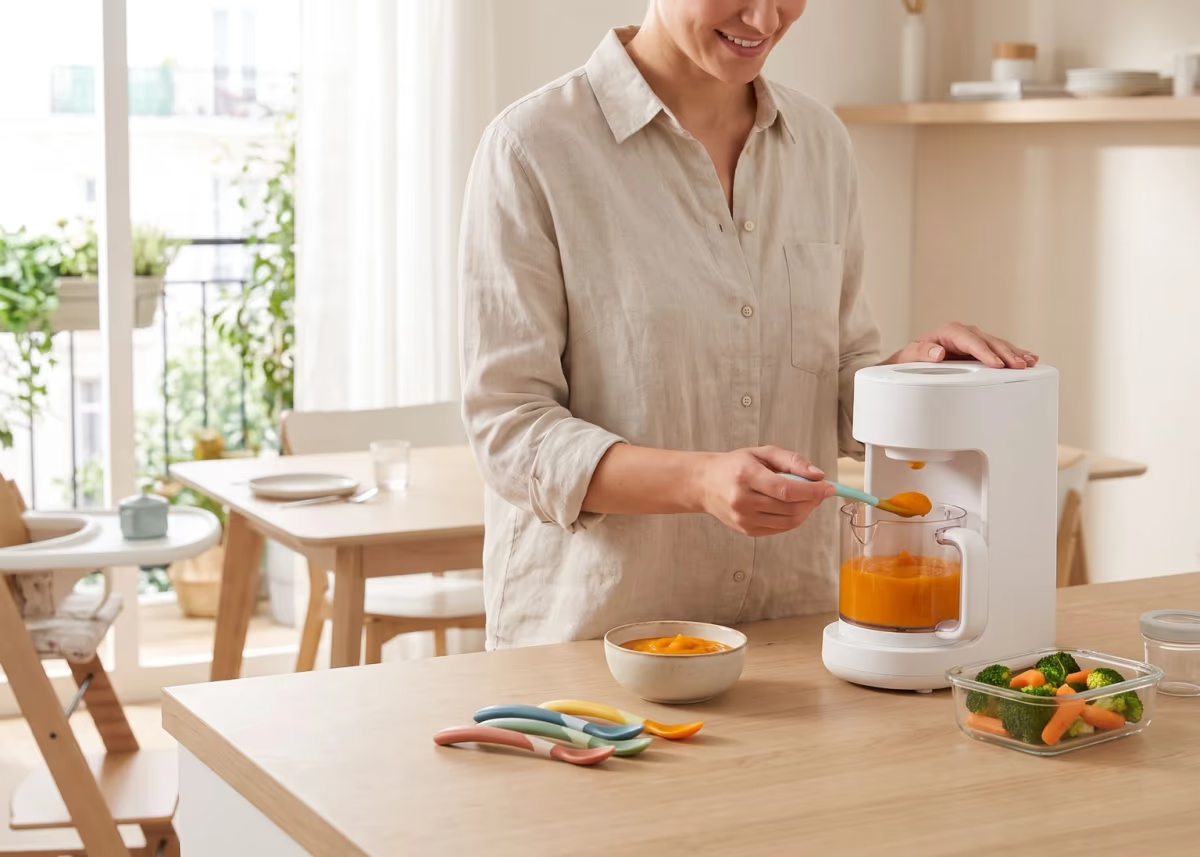
When should you start weaning a baby?
Start weaning at around six months, when your baby can sit steadily, bring food to their mouth and swallow it. Begin with small amounts alongside milk feeds.
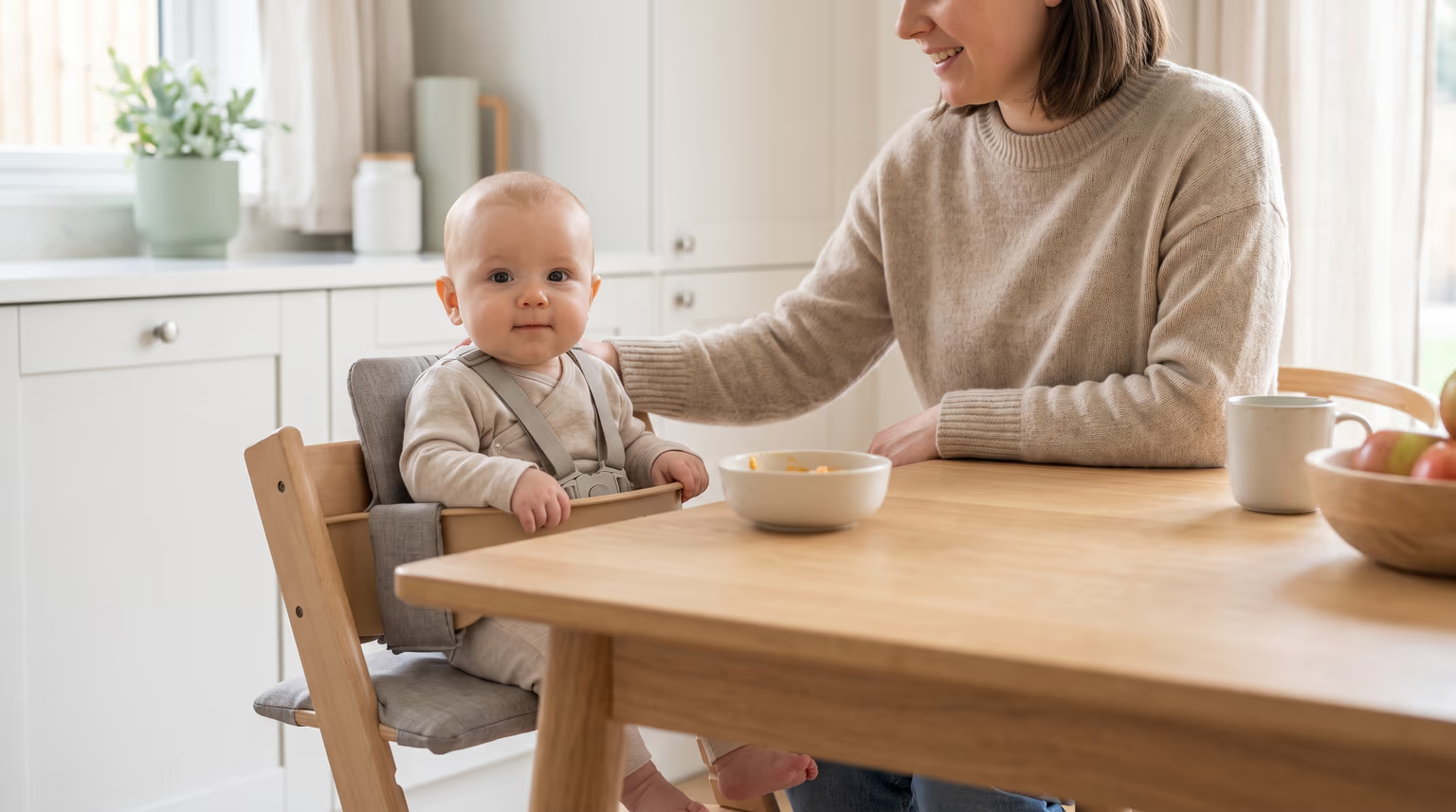
Start weaning at around six months, when three readiness signs appear together: your baby can remain sitting with their head stable, reach for food and bring it to their mouth, and swallow it instead of pushing it out. These are the signs in the NHS guidance on starting weaning.
Weaning means adding solid food alongside your baby's usual milk feeds. Breast milk or first infant formula remains their main drink throughout the first year. Begin with a little food once a day.
What if your baby seems ready earlier?
Chewing fists, asking for extra milk and waking more at night can happen before a baby is ready for food. Starting solids will not make sleeping through the night more likely.
A jar or pouch labelled “from 4 months” does not change the advice to wait until around six months. If you are considering starting at four or five months, or are unsure about readiness, discuss it with your health visitor or GP first.
Babies born prematurely
Ask your health visitor or the team caring for your baby about timing. Their development and corrected age (their age measured from their due date) matter. The Cambridge University Hospitals guidance for premature babies explains why some babies need a different starting point or extra feeding support.

First foods and textures: what to offer
Begin with soft vegetables such as broccoli or cauliflower. Gradually add variety:
- Iron-containing foods: offer foods such as meat, fish without bones, egg, lentils or beans in a texture your baby can manage.
- Starchy foods: try porridge, mashed potato or soft cooked pasta.
- Dairy foods: plain, unsweetened, full-fat yoghurt made with pasteurised milk is suitable from around six months.
You can spoon-feed, offer finger foods or combine the two. Move on from smooth purées as your baby becomes ready for more texture. Offer mashed, lumpy and finger foods from around six to seven months, helping them practise chewing and swallowing.
Offer new foods again on another day if they are rejected. Let your baby set the pace.
Offer sips of water from an open or free-flow cup with meals. Our guide explains when babies can start drinking water.
Prepare food safely and introduce allergens
Size, shape and softness all matter. Cook hard fruit and vegetables until soft, and cut finger foods into narrow strips or batons. Quarter small round fruit such as grapes and cherry tomatoes. Remove stones, hard pips and bones. Keep your baby upright and stay with them throughout eating.
Do not give whole nuts or popcorn to children under five. Use smooth nut butter mixed into food or spread thinly, never a spoonful on its own. Avoid honey until 12 months, and leave added salt and sugar out of your baby's food.

Introducing foods that can cause allergy
From around six months, introduce common allergens one at a time, in tiny amounts. Examples include egg, peanut, milk in food, wheat, soya, sesame and fish. Once tolerated, keep including them in your baby's usual meals. For example, you could mix a little smooth peanut butter into a food they already eat.
Speak to your GP or health visitor first if your baby has eczema or a diagnosed food allergy, or there is a family history of food allergy, eczema, asthma or hay fever.
If a new food seems to cause a rash, vomiting or other reaction, get advice from your GP or health visitor before offering it again.
Gagging, choking and feeding difficulties
Gagging can happen while babies learn to handle food. It is usually noisy and may involve retching or bringing food forward with the tongue. Choking may be silent: a baby may be unable to breathe or cough effectively. Do not use noise alone to decide whether they are safe.
If a baby is coughing loudly, stay with them and let them cough. If they cannot cough effectively or breathe properly, shout for help and begin infant choking first aid: up to five back blows, then up to five chest thrusts if needed. Check between each blow or thrust. Call 999 if the blockage has not cleared and continue the cycle. Never use abdominal thrusts on a baby under one.
If they become unconscious, call 999 on speakerphone and start CPR. Do not sweep blindly inside their mouth. Read the full NHS choking first-aid instructions before starting weaning so you know the positions and technique. Get medical help after a choking episode that required back blows or thrusts, even if the object comes out.
When feeding needs professional help
Ask for an urgent GP assessment if your baby coughs or chokes during feeds, struggles to swallow, or sounds wet or gurgly after feeding. These swallowing symptoms should not be dismissed as learning to eat.
If you cannot get urgent GP advice, call 111 in England, Scotland or Wales. In Northern Ireland, contact your GP or the local GP out-of-hours service when the surgery is closed. Call 999 anywhere in the UK for a life-threatening emergency.
For ongoing difficulty progressing with textures or concerns about how much your baby eats or grows, arrange support from your health visitor or GP. They can assess feeding and refer you for specialist help if needed.