How to choose a high chair for your baby
Choose a high chair with a secure harness, upright support and a footrest your baby can reach, then match its size, cleaning and storage to your home.
A high chair needs to work for your baby and for the person clearing up after every meal. For an everyday chair, prioritise a five-point harness, stable base and a seat that supports upright sitting, with a footrest that can reach your baby's feet. Check the chair's developmental and weight limits before choosing colours or extras.
After that, let your routine decide. A removable tray and simple seat can make cleaning easier. A folding frame is useful if you will put the chair away between meals, while adjustable seat and footrest heights can help a chair stay useful at the family table as your child grows.
Choose the harness and base first
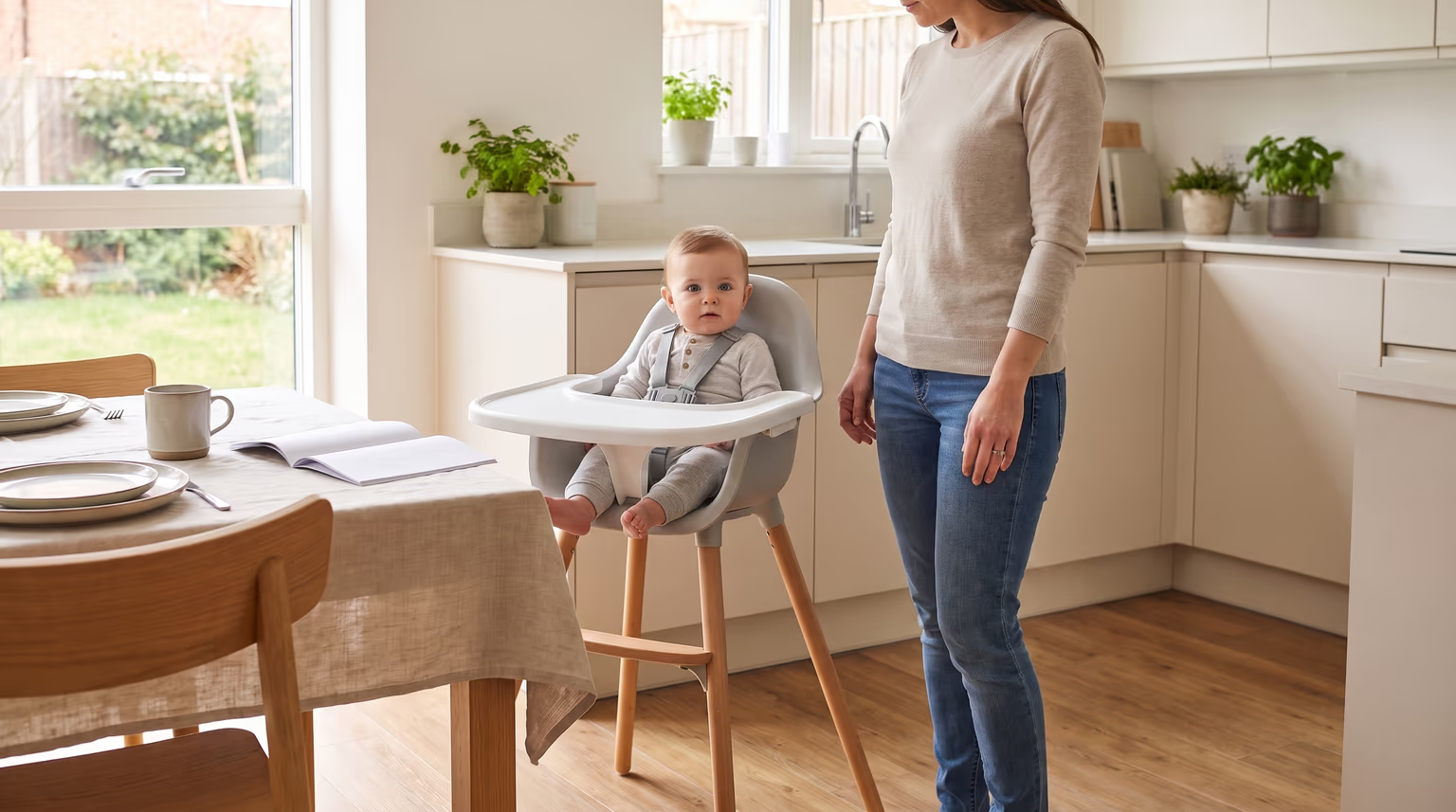
Choose a five-point harness with shoulder, waist and crotch straps that adjust to your child. Fasten it every time, as the NHS advises. The tray is an eating surface, not a substitute for the restraint.
Look for a broad, stable base, a securely locking tray and, on a folding chair, an effective lock that holds the frame open. Allow room for the splayed legs as well as the seat. Plan a position on a level, non-slippery floor, away from cords, hot items and surfaces your child could kick against and tip the chair.
For a new high chair, look for clear manufacturer identification and a BS EN 14988 marking. BSI lists BS EN 14988:2017+A2:2024 as the current high-chair requirements and test-methods standard. Also check the chair's minimum developmental stage and maximum weight for the configuration you intend to use.

Match the seat to your baby's stage and size
Upright meals start with readiness
Solids normally start at around six months, when the three NHS readiness signs appear together: your baby can remain sitting with their head steady, coordinate their hands, eyes and mouth to pick up food and bring it to their mouth, and swallow rather than push food out.
A newborn attachment or reclined setting does not make a baby ready for solids. For eating, they need enough head and trunk control to stay safely upright. Read when to start weaning a baby for the fuller guidance. If your baby was premature, you are unsure about readiness, or they struggle to maintain an upright position, ask your health visitor or GP for advice.
Look for adjustments that improve fit
A useful seat supports the thighs while letting the knees bend near the front edge. A very deep seat can leave a smaller baby's legs sticking forwards, so look at seat depth as well as the stated age range.
Prefer a footrest with enough height adjustment to support both feet as your baby grows. A fixed footrest is useful only if your child can reach it. The tray or table should let their forearms rest comfortably without pushing their shoulders upwards.
These are the fit priorities in NHFT's infant-highchair guidance. If a chair needs extra support accessories, use only those approved for that model and follow its instructions. For a child who needs specialist seating support, ask the team caring for them before buying.

Make it fit your home and daily routine
Tray, family table or both?
A tray gives your baby their own eating surface wherever the chair stands. Check its usable size, how far it adjusts towards the seat and whether you can remove it for cleaning. A large tray needs somewhere to be washed and stored too.
For meals at the family table, compare the chair's seat height with the tabletop and the space underneath. Table aprons, crossbars and wide legs can prevent the chair moving close enough even when the headline heights look right. Check that the chair is designed for use without its tray, and keep the harness fitted as instructed. Avoid a position where your child can brace their feet against the table or wall.
If you want both arrangements, a removable tray and suitable table clearance matter more than a long list of height settings. For holidays or eating out, travel highchairs are a separate choice with their own chair or table attachment requirements.
Think through one messy meal
A smooth seat with accessible joins is a practical starting point. Extra padding gives you more pieces to wash and dry, so choose it for useful support rather than appearance alone.
Check the parts that will collect food:
- Tray: removable for washing, with a size that fits your sink or dishwasher if dishwasher cleaning is allowed.
- Cushion or cover: easy to remove and refit, with a washing method that suits your routine.
- Straps and buckle: reachable for cleaning, with clear instructions on whether straps can be removed and how to refit them.
- Seat and frame: accessible around strap slots, seams and the underside of the tray.
Follow the separate washing and drying instructions for the tray, harness and cover.
Decide whether folding earns its place
If the chair will stay at the table, a manageable in-use footprint may matter more than a fold. Leave enough room to walk past it and to lift your baby in and out without squeezing around furniture.
If you will fold it after each meal, compare its folded height, width and depth with the actual storage space. Include the tray if it must be stored separately, and consider the weight you will lift. Store it as instructed, out of children's reach.
For longer use, focus on seat and footrest adjustment, the limits of each configuration and any extra parts you would need. A toddler-chair mode is worth paying for only if you expect to use it.
Check a second-hand chair before committing
A used chair needs the same fit and space checks as a new one, plus a closer look at its history and condition. Ask for the exact model, how old it is, whether it has been damaged or repaired, and whether any parts have been changed.
Get the manufacturer's instructions and check the complete parts list. Pass on a chair with missing parts, damaged straps, cracks or unreliable locks. Avoid unexplained alterations or improvised replacement parts.
Search the model and brand in the official product recalls and alerts, and check the manufacturer's own safety notices before buying. If you cannot identify the model or obtain its instructions, choose another chair. These checks follow the Office for Product Safety and Standards' second-hand buying advice.
Your final shortlist and first-use checks
Before buying, make sure your preferred chair passes these five checks:
- Its limits suit your baby, with a five-point harness and an upright mealtime setting.
- The seat and footrest adjustment offer a useful fit now and as your child grows.
- The full base and tray fit your dining space, with suitable table clearance if needed.
- The messy parts can be cleaned in a way you will manage regularly.
- The folded size, weight and any extra accessories suit your storage space and budget.
You can then compare models in our guide to the best high chairs.
When it arrives, assemble it exactly as instructed and check the frame, tray and adjustment locks before placing your child in it. Adjust the harness and foot support, then confirm that your baby stays comfortably upright without slumping or leaning sideways. Stay with them throughout use, and stop using the chair if a part is damaged or a lock fails.