
When can babies drink water?
Offer sips of water with meals from around six months, when solids begin. Before then, the advice depends on milk feeding, hot weather and illness.
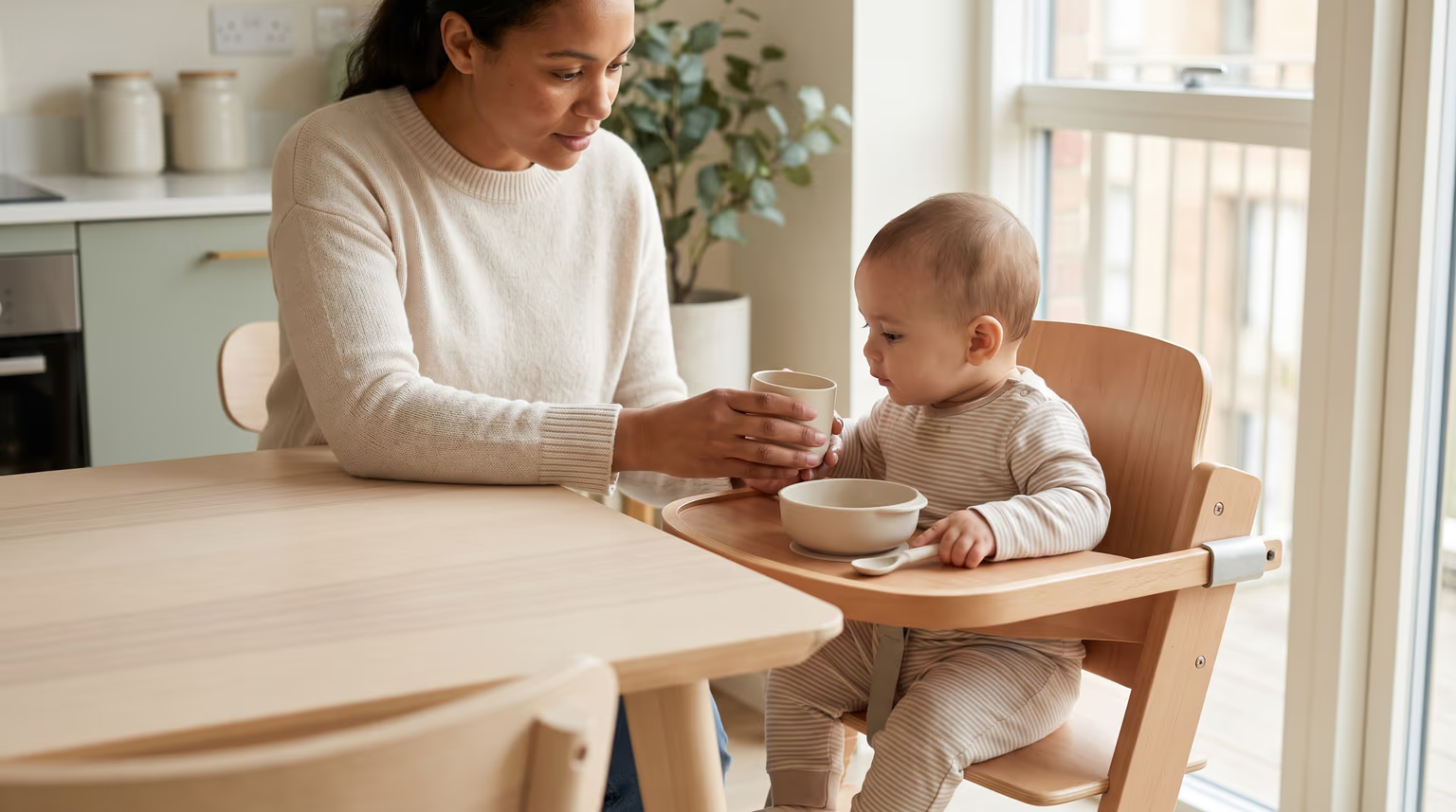
Babies can usually start having sips of water with meals from around six months, when they begin solid foods. Breast milk or first infant formula stays their main drink throughout the first year, so keep offering milk alongside food and water.
Before six months, fully breastfed babies do not need water, even in hot weather. A formula-fed baby may need small sips of cooled boiled water during a hot spell, alongside their usual milk.
Before six months: milk feeds and hot weather
Fully breastfed babies
Until solids start, breast milk supplies the fluid a fully breastfed baby needs. In hot weather, offer the breast more often; your baby may want extra feeds.
Formula-fed babies
In hot weather, a baby under six months who has formula may need small sips of cooled boiled water between their normal milk feeds. Boil tap water first and let it cool completely. This applies to filtered tap water too.
Keep giving their usual milk. If you are unsure how much extra water to offer, ask your health visitor.
If your baby has both breast milk and formula
For a baby under six months who has both, ask your health visitor for advice about extra water in hot weather. They can take your baby's feeding pattern into account. If your baby has a prescribed feeding or fluid plan, follow the advice from their own clinical team.

From around six months: offering water with meals
Use a small open cup or a free-flow beaker without a valve. This helps your baby learn to sip. A non-spill valve makes them suck to get the drink out, so it works differently from a free-flow cup.
At mealtimes:
- Sit your baby upright, with the high-chair safety harness securely fastened, and stay beside them.
- Put a little water in the cup and help them hold it while they practise.
- Offer small sips without expecting them to finish the cup. Spills are part of learning.
How much water should a baby drink?
Start with sips when you offer food, rather than a full bottle of water. Milk is still providing fluid and nutrition. As your baby eats more, the amount of milk they want will gradually change; water should not be used to replace a milk feed.
In hot weather, babies who have started solids may need water between meals as well. Keep their milk feeds going.
If your baby refuses the cup, offer it again at another meal and give them time to learn. If your baby is feeding poorly or has fewer wet nappies, follow the care advice below rather than simply trying to get more water into them.
Tap water, boiling and preparing formula
For babies over six months, tap water for drinking does not need boiling. For a baby under six months who needs extra drinking water, boil it first and leave it to cool completely before offering it.
This age rule is only about water as a drink. Powdered formula still needs to be made with water that is at least 70 °C when it meets the powder, including after six months, because the powder can contain bacteria. Let the made-up feed cool before giving it to your baby.
Follow the complete NHS instructions for preparing formula each time. Do not use fully cooled drinking water to mix a powdered feed.
Do I need bottled baby water?
No special bottled water is needed for a baby's drinks: ordinary tap water is suitable, with the age-related boiling step above. Bottled water is not sterile and is not usually recommended for preparing formula because it may contain too much sodium or sulphate. If your normal water supply is unavailable or contaminated, follow the advice from your water supplier or local health authorities.
Can I add juice or squash?
Keep the water plain. Sweet drinks can damage teeth, and babies under one do not need juice or smoothies. Offer water again at another mealtime if they do not want it, without adding a sweet flavour.
If your baby is ill or seems dehydrated
With vomiting or diarrhoea, continue breast or bottle feeds. If your baby is being sick, try smaller feeds more often. Babies having formula or solids can also have small sips of water between feeds; boil and cool it first if they are under six months. Keep formula at its usual strength.
If a rehydration solution is needed, ask a pharmacist or clinician which one is suitable for your baby and how to give it. These solutions replace lost salts as well as fluid.
When to get urgent advice
Get urgent medical advice if your baby has fewer wet nappies, unusual drowsiness, few or no tears, or a sunken soft spot on their head. These can be signs of dehydration.
Seek urgent advice too if you are worried about a baby under 12 months with vomiting or diarrhoea, if they stop breast or bottle feeding while ill, or if they keep being sick and cannot retain fluids.
In England, Scotland or Wales, ask for an urgent GP appointment or call 111; use the telephone service for a child under five. In Northern Ireland, contact your GP, or the local GP out-of-hours service when the surgery is closed.
For ongoing difficulties with drinking or feeding, speak to your health visitor or GP. If you think your baby is seriously unwell, seek immediate help; giving extra water should not delay assessment.


