
7 rules for visiting a newborn safely and respectfully
Newborn visits can be lovely and helpful when visitors are invited, well, hygienic, brief and led by the parents.
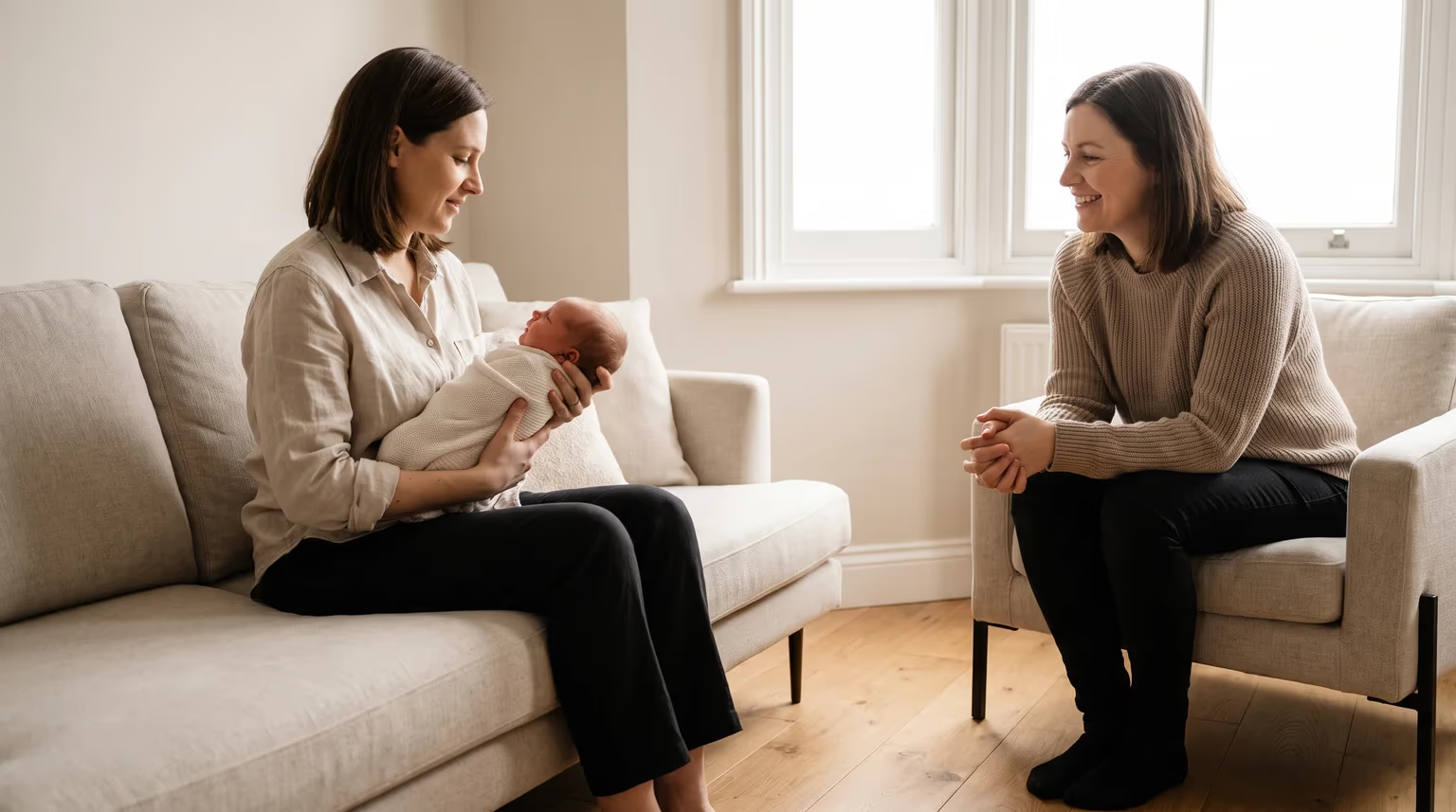
The main rules for visiting a newborn are simple: wait to be invited, stay away if you are unwell, wash your hands before touching the baby, do not kiss the baby, keep the visit short, ask before holding or taking photos, and follow any stricter advice for premature or medically vulnerable babies.
These rules are not about making family visits cold or awkward. They help protect a very young baby while giving the parents room to recover, feed, rest and decide what feels manageable in their own home. A good newborn visit should feel easy for the parents to pause, redirect or end.
The 7 rules for visiting a newborn
1. Wait for an invitation and follow the parents' lead
Do not arrive unannounced, even if you are close family. Send a short message, ask what would help, and accept that "not today" or "we will let you know" is a complete answer.
The first days and weeks can involve frequent feeds, broken sleep, midwife or health visitor appointments, recovery after birth and a lot of emotion. Parents do not need to explain every boundary for it to be valid.
If you are the parent setting the rules, it can help to keep the wording calm and consistent: "We are keeping visits short for now", "Please check before coming over", or "We are avoiding kisses and asking everyone to wash their hands first." Applying the same rules to everyone usually feels fairer than negotiating each visit from scratch.
2. Do not visit if you are unwell
Postpone the visit if you have a fever or high temperature, cough, runny nose, sore throat, cold or flu-like symptoms, vomiting, diarrhoea, an active cold sore, unexplained symptoms, or recent close contact with someone who may be infectious.
Handwashing does not make it sensible to visit while you are ill. The kindest visit may be the one you delay until you are fully better and the parents are comfortable rearranging.
Be honest before you arrive. A quick "I have a bit of a cough, shall we leave it?" gives parents the chance to protect the baby without feeling they have to challenge you at the door.
If children are visiting, use the same principle. Ask first, keep them away if they are unwell or recently unwell, and accept that some families will choose stricter limits in the early weeks.
3. Wash your hands before touching or holding the baby
Wash your hands with soap and water before you touch, hold or help care for the baby. If you cannot get to a sink and your hands are not visibly dirty, use hand sanitiser and let it dry before contact.
The NHS advises washing hands for around 20 seconds. For a newborn visit, make this a normal first step rather than a dramatic announcement: arrive, take off your coat, wash your hands, then ask what the parents would like.
Try not to touch the baby's face and hands unnecessarily. Newborn hands often end up near the mouth and eyes, so avoiding extra face and hand contact is a small, practical way to reduce exposure.

- Wash hands when you arrive
- Use soap and water where possible
- Keep your phone away from the baby
- Avoid touching the baby's face and hands
- Wash again before holding after eating, coughing, sneezing or using the toilet
4. Do not kiss the baby
Visitors should avoid kissing a newborn, especially on the face, hands or near the mouth, nose and eyes. This can feel hard when everyone is excited, but it is a reasonable safety boundary in the early weeks.
Cold sores need particular caution. If you have a cold sore, tingling or blisters around your mouth, do not kiss the baby and avoid close contact until fully healed. If there has been cold sore exposure and the baby becomes unwell or develops symptoms, parents should seek urgent medical advice.
This is not a test of affection. You can show love by speaking gently, bringing food, washing up, making tea, sending a thoughtful message or leaving before the visit becomes tiring.
5. Be extra careful with premature or medically vulnerable babies
Some newborns need stricter visitor boundaries. This may include babies who were premature, have been in a neonatal unit, were recently hospitalised, are medically fragile, or have specific advice from a maternity, neonatal, GP or health visiting team.
In those situations, the family's professional advice comes first. They may limit visitors, delay visits for longer, ask people with even mild symptoms to stay away, avoid child visitors for a while, or use masks in a specific risk period if their care team recommends it.
The best support is not to argue that you feel well or only want a quick cuddle. For a vulnerable baby, respecting the boundary is part of caring for them.
6. Keep visits short, calm and useful
There is no universal medical rule that every newborn visit must last a set number of minutes. A good rule of thumb is simpler: keep it brief enough that feeding, sleep, privacy and postnatal recovery stay central.
Do not expect to be hosted. Bring food if the parents want it, make your own tea if invited to, wash a few dishes, hold a conversation quietly, or leave a meal at the door if a visit is too much that day.
It is also fine for parents to end the visit because the baby needs feeding, the baby is unsettled, the household is tired, or everyone needs a quieter afternoon. Leaving cheerfully is one of the most helpful things a visitor can do.

7. Ask before holding, photos, children, advice or extra visitors
Ask before picking up the baby, taking them out of a pram, car seat or cot, bringing children, taking photos, posting online, giving advice, staying longer or arriving with anyone else.
If the parents invite you to hold the baby, wash your hands first, sit down if asked, support the baby's head and neck, and give the baby back promptly if the parents ask, the baby cries, feeding starts, or the baby seems overstimulated.
Photos and social posts need clear permission too. Some parents are happy for private photos but not online posting. Others want no photos at all. Either answer is enough.
A note for grandparents and close family
Grandparents and close relatives often want to bond quickly, and that can be a beautiful part of the early weeks. The same newborn visitor rules still apply: be invited, be well, wash your hands, avoid kisses, keep the visit short and let the parents lead.
Try not to take boundaries personally. In the newborn stage, rules are usually about illness risk, feeding, rest, privacy and emotional bandwidth, not about ranking who matters most.
If you are desperate to help, ask a practical question: "Would food, laundry, a supermarket run or a quiet ten-minute visit be most useful?" Then believe the answer.
When parents should get medical advice
Visitor rules can reduce risk, but they do not replace medical advice. Trust your instincts. If a newborn seems unwell or you are worried, contact your midwife, health visitor, GP or NHS 111 for advice.
Seek urgent advice for a baby under 3 months with a temperature of 38°C or higher. Get advice promptly if the baby is feeding poorly, has fewer wet nappies or other signs of dehydration, has persistent vomiting or diarrhoea, is unusually sleepy, floppy, listless, hard to wake, or is not responding normally.
If there has been cold sore exposure and the baby becomes unwell or develops blisters, a rash, poor feeding, unusual sleepiness or fever, seek urgent medical advice. Do not try to diagnose the cause at home.
Families with a premature, medically fragile, recently hospitalised or neonatal-unit baby should follow the personalised advice from their maternity, neonatal, GP or health visiting team, even if it is stricter than general visitor guidance.
Quick visitor checklist
- Wait for an invitation
- Postpone if unwell, recently unwell or recently exposed to illness
- Wash or clean your hands before touching or holding the baby
- Do not kiss the baby, especially the face or hands
- Keep the visit short and useful
- Ask before holding, bringing children, taking photos, posting online or giving advice
- Give the baby back as soon as the parents ask or the baby needs them
FAQs
References::
- NHS - Neonatal herpes
- NHS - Cold sores
- NHS - Is your baby or toddler seriously ill?
- NHS - High temperature in children
- NHS - How to take your baby's temperature
- NHS - How to wash your hands
- NHS - Early days
- NHS - Services and support for parents
- NHS - Sleep and tiredness after having a baby
- NHS - Breastfeeding: the first few days
- GOV.UK - Respiratory syncytial virus symptoms, transmission, prevention and treatment
- The Lullaby Trust - Preventing infection
- Bliss - When you get home from the neonatal unit
- Bliss - Neonatal herpes
- Bliss - RSV
- NCT - Relationships with grandparents and friends after having a baby


