The 5 best nappy bins for odour control and easy emptying
Compare five nappy bins, from sealed refill systems to cassette-free designs that use standard liners, with clear tradeoffs on odour, capacity and running costs.
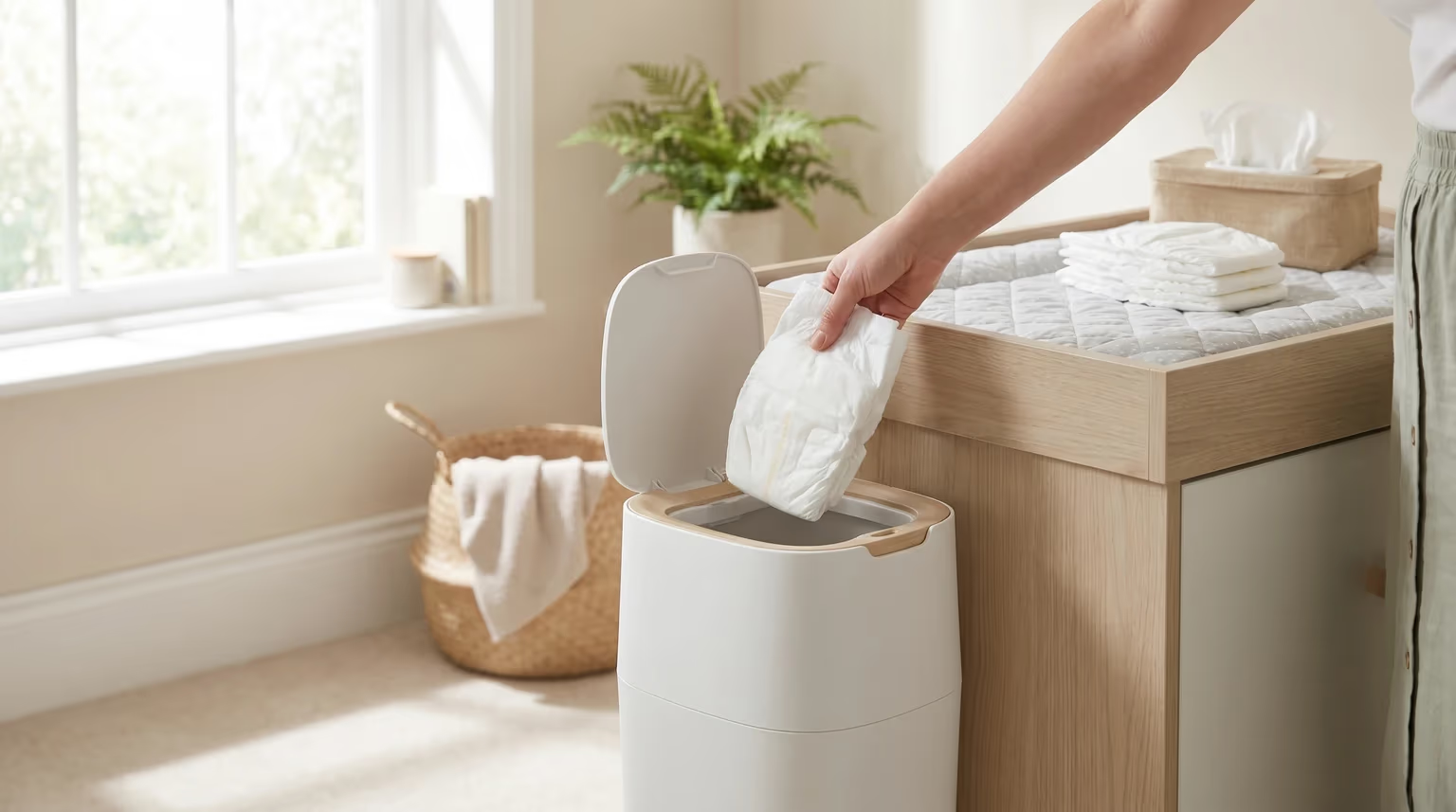
A nappy bin is mainly a convenience tool: it keeps used nappies contained between changes and cuts down on urgent trips to the outside bin. It still needs sensible basics around it, including regular emptying, cleaning, handwashing after changes, and keeping loose bags or nappy sacks well away from babies.
The main choice is between refill cassette systems, which usually seal smells more tightly but add ongoing consumable costs, and cassette-free bins that use standard liners but depend more on the seal and your emptying routine. The comparison below is the fastest way to see which tradeoff suits your home.
Criteria | |||||
|---|---|---|---|---|---|
| Best for | Best for Large-capacity changes | Mainstream sealed system | No refill cassettes | Premium steel design | Standard bin liners |
| Refills or bags | Refills or bags Angelcare refill cassette | Twist & Click refill cassettes | Standard bags or liners | Standard bags | Conventional bin liners |
| Capacity cue | Capacity cue Up to 70 nappies | Up to 33 nappies | Up to 26 size 1 nappies | Premium steel bin with standard bags | Up to 25 size 1 nappies |
| Use-case fit | Use-case fit Busy changing stations | Everyday nursery use | Lower refill faff | Style-conscious nurseries | Simple liner-based emptying |


How to choose a nappy bin that will actually work for your home
Start with the smell-control system, then look at running costs. Individual-wrap and cassette bins are convenient for strong odour control, but the refills need to be easy to buy and affordable enough for your household. Standard-liner bins can be cheaper to run and less fiddly, but you may need to empty them sooner and clean the seals more often.
- Check whether the bin uses proprietary refill cassettes, refill cartridges or normal bin bags.
- Match the capacity to where you change nappies most: upstairs nursery, downstairs changing basket, or both.
- Choose a one-handed or easy-drop design if you often change nappies while holding a wriggly baby.
- Keep the footprint in mind; a large bin is useful only if it fits beside the changing mat without becoming a trip hazard.
For most families, the best nappy bin is the one you will actually empty and maintain without resenting the running costs. These five cover the main options in this category without including ordinary household bins or refill packs.
1. Angelcare Classic XL Nappy Bin

Angelcare is the top pick if you want a nappy bin that can handle a busy changing station without needing constant emptying. Its Classic XL format is built around a refill cassette, but the bigger draw is its stated capacity of up to 70 nappies, which makes sense for twins, toddlers, or homes where the outside bin is not nearby.
Why did we choose this product?
Choose it if you want a large, well-reviewed nappy bin with a clear refill-cassette system rather than a compact nursery bin. The Classic XL is also a good option if you already know you will use a dedicated bin every day and want fewer trips to empty it.
Keep in mind
It is still a refill-based nappy bin, so check the cost and availability of Angelcare cassettes before buying. Large capacity is useful, but it should not become an excuse to leave nappies sitting for too long, especially in a warm room.
Features that may help you
•Best for families who want a larger-capacity nappy bin
•Uses Angelcare refill cassettes rather than standard bin bags
•Well reviewed, with a widely available refill system
•Better for a fixed changing station than for moving room to room
2. Tommee Tippee Twist & Click Nappy Disposal System

Tommee Tippee Twist & Click is the familiar sealed-system choice for many parents. It wraps nappies inside a refill film and uses a plunger-style lid, so it suits families who want a mainstream nappy disposal system that feels purpose-built rather than just a lidded bin.
Why did we choose this product?
Pick this if you want a proven, easy-to-understand cassette system and are happy to keep refills in stock. The stated capacity of up to 33 nappies is enough for everyday nursery use, and the system is especially appealing when smell control matters more than using ordinary liners.
Keep in mind
The tradeoff is the ongoing refill cost. If you dislike proprietary consumables or want to use whatever liner you already buy for the house, Shnuggle, Ubbi or Chicco will probably feel less restrictive.
Features that may help you
•Best mainstream sealed nappy disposal system
•Uses Twist & Click refill cassettes
•Stated capacity of up to 33 nappies
•Good fit for nurseries where odour control is the main worry
3. Shnuggle Eco-Touch Nappy Bin

Shnuggle Eco-Touch is the easiest recommendation if your first question is, "Can I avoid special nappy bin refills?" It is a cassette-free nappy bin that can use standard bags or liners, with a dual-seal style design intended to keep smells contained between emptying.
Why did we choose this product?
Choose it for simpler running costs and less refill faff. The stated capacity is up to 26 size 1 nappies, so it is not the largest bin here, but it is a strong fit for parents who want a dedicated nappy bin without being tied to one cassette system.
Keep in mind
Cassette-free does not mean maintenance-free. Use a liner that fits neatly, close the lid properly after each change and empty it before smells build, especially once nappies get bulkier after weaning.
Features that may help you
•Best nappy bin without refill cassettes
•Designed for standard bags or liners
•Stated capacity of up to 26 size 1 nappies
•Good choice if refill availability or cost annoys you
4. Ubbi Stainless Steel Nappy Bin

Ubbi is the premium pick for parents who want a sturdier, more design-led nappy bin without buying special refill cassettes. Its stainless steel body and sealed lid make it feel closer to a long-term nursery fixture than a basic plastic bin.
Why did we choose this product?
It makes most sense if you want the flexibility of standard bags but still care about finish and durability. The large number of reviews is reassuring, and using standard bags makes ongoing costs easier to manage than with cassette systems.
Keep in mind
The upfront cost is higher with this option, so it is best for parents who value the steel build and nursery look. If you only need a compact disposable-nappy bin for a few months, Chicco or Shnuggle may feel more proportionate.
Features that may help you
•Premium steel nappy bin with no special bags required
•Uses standard bags rather than proprietary cassettes
•Strong option for a visible nursery or bedroom corner
•Higher upfront price than most plastic alternatives
5. Chicco Odour-Proof Nappy Bin

Chicco is the practical standard-liner pick: a dedicated odour-proof nappy bin that is designed to work with conventional bin liners. That makes it a good middle ground if you want more smell control than a normal household bin, but do not want to commit to cassette refills.
Why did we choose this product?
Choose it if you want simple emptying, one-handed disposal and a straightforward setup with standard bags. Chicco states a capacity of up to 25 size 1 nappies, so it is best viewed as a convenient nursery bin rather than the largest-capacity choice.
Keep in mind
Capacity is lower than Angelcare and more comparable with the smaller cassette-free options. It will suit parents who prefer frequent, easy emptying over storing a large number of nappies between trips to the outside bin.
Features that may help you
•Best nappy bin for conventional bin liners
•Stated capacity of up to 25 size 1 nappies
•Designed for one-handed disposal
•Better for simple emptying than maximum capacity
Nappy bin refills, bags and running costs
Refill cassette systems are usually worth considering if odour control matters more than the lowest running cost. They are especially useful in bedrooms, shared nurseries and flats where the outside bin is not close by. Before committing, check that replacement refills are easy to buy in multipacks, because the bin itself is only part of the long-term cost.
Bins designed for standard liners make more sense if you want to avoid proprietary consumables. They are not automatically weaker, but they rely on a good seal, careful tying and a realistic emptying routine. If a bin takes standard liners, use bags that fit snugly rather than leaving loose plastic trailing around the changing area.
Safe disposal and nursery smell tips
NHS guidance is a useful reminder that a nappy bin does not replace basic hygiene: wash your hands after changes, deal with dirty nappies promptly and move waste to the outside or general-waste bin regularly. In practice, empty before the bin is tightly packed, wipe down the rim and seals, and give the inside a proper clean if smells linger.
Be especially careful with bags, liners and nappy sacks. RoSPA warns that thin nappy sacks can be a suffocation risk for babies and young children, so keep them out of reach and never leave loose bags near a cot, pram or changing mat.
If night changes are part of the problem, a nappy bin helps with smell but not with the whole sleep setup. A white noise machine for night feeds and changes or a baby monitor for the nursery may be a better next purchase once waste disposal is sorted.