Baby-proofing checklist: make your home safer
Use this practical baby-proofing checklist to reduce the biggest home risks first, then work room by room while keeping supervision at the centre.
Learning how to baby-proof your home is not about making it perfect in one weekend. It is about reducing the risks that can cause serious harm quickly, then building small habits that make everyday care easier.
Start before your baby is crawling if you can, then repeat the checklist whenever they learn a new skill: rolling, sitting, pulling up, cruising, climbing or opening cupboards. A gate, lock or alarm can help, but it works best when it is suitable, correctly fitted, checked often and used alongside close adult supervision.
Baby-proofing checklist: what to do first
Start with a short checklist of the hazards that can cause serious harm quickly:
- Water: never leave a baby alone in or near a bath, toilet, bucket, paddling pool, pond, pool or hot tub.
- Sleep: keep the cot or sleep space firm, flat and clear, with no pillows, duvets, cot bumpers, loose bedding, soft toys, pods, nests, positioners or cords.
- Choking and swallowing: keep small objects, coins, button batteries, strong magnets and older siblings' toys out of reach.
- Poisons: lock away or store medicines, cleaning products, laundry pods, alcohol, e-cigarettes, e-liquids, pet medicines and chemicals well out of reach.
- Burns and scalds: keep hot drinks, hobs, pans, kettles, irons, hair straighteners, heaters and bath water away from your baby.
- Falls: check stairs, windows, balconies, highchairs, changing surfaces, furniture and TVs.
- Cords: keep blind cords, curtain cords, monitor leads, chargers and dangling cables away from cots and climbable furniture.
- Fire and carbon monoxide: fit, maintain and test the right alarms, and know what to do if an alarm sounds.

Whole-home safety checks before you go room by room
Walk through the home at floor level and then at adult height. Look for things a baby can reach, pull, climb, put in their mouth, tip over, spill, wrap around themselves or copy from adults.
Falls, stairs, windows and furniture
Falls are one of the biggest home-safety concerns once babies start rolling, crawling and pulling up. Secure heavy or unstable furniture and TVs where there is a tip-over risk, and keep chairs, toy boxes and low tables away from windows, balconies and other climbable edges.
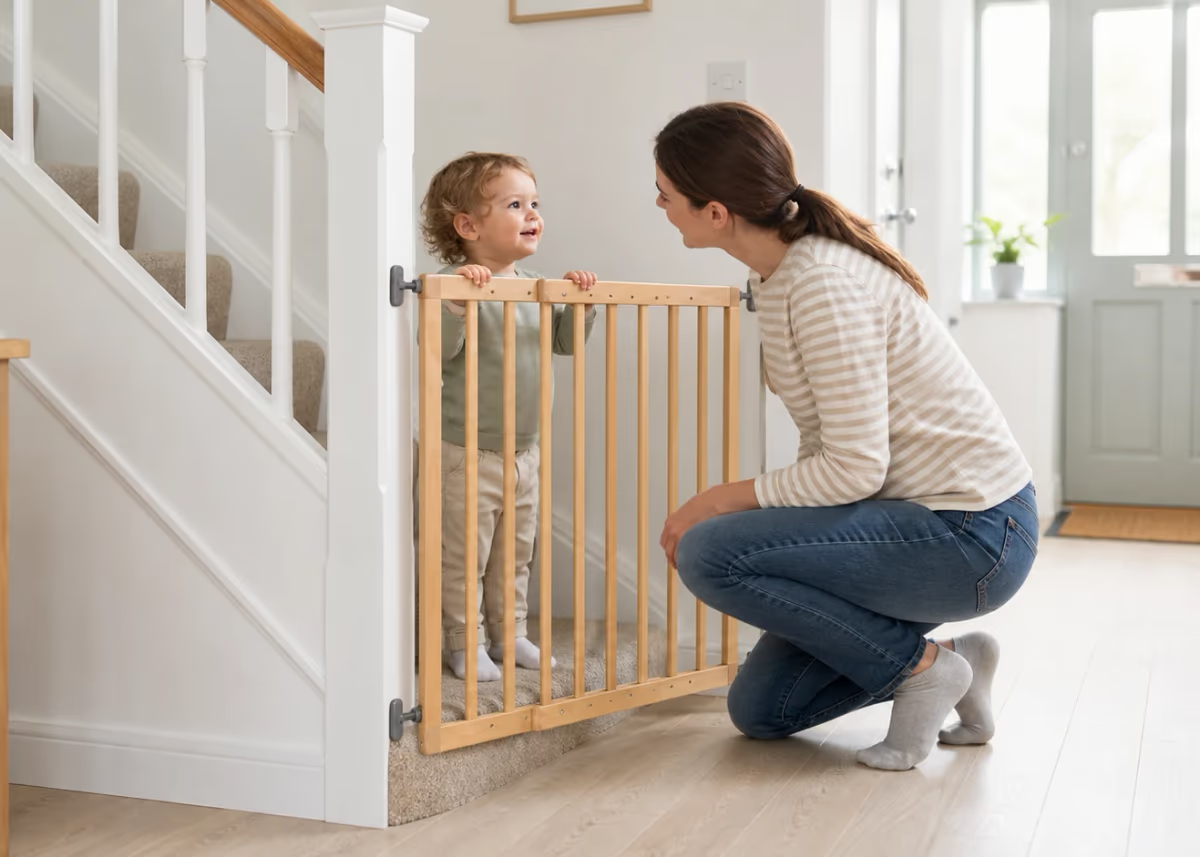
Keep stairs clear and use gates where they are appropriate for the layout. A stair gate should be suitable for the position, fitted according to the instructions, checked regularly and still used with supervision. If you are choosing one, you can compare baby gates and stair gates after you know where it will go and how it needs to be fitted.

Window restrictors, locks and balcony barriers can help, but they need to be chosen and used carefully. Keep keys and your fire-escape plan in mind, and do not rely on a barrier as a reason to leave a baby unattended near a window or balcony.
Cords, chargers and small objects
Blind cords, curtain cords, monitor leads, phone chargers and other dangling cables should be kept high and away from cots, beds, highchairs and furniture a baby could climb. Cord cleats, tensioners or cordless blinds can help when they are fitted correctly.
Small hazards change from week to week. Check under sofas, inside bags, around older children's toys, beside remote controls and near bedside tables for coins, button batteries, strong magnets, pen lids, jewellery, pins, key fobs and small toy parts. If a product has a battery compartment, check that it closes securely.
Electricity, smoke alarms and carbon monoxide
Socket-cover advice requires care because modern UK sockets have built-in shutters, and socket covers do not fix damaged sockets, loose wiring or faulty electrics. Keep cables, chargers and appliances out of reach, switch off and unplug items that are not being used when appropriate, and get qualified help for damaged sockets or electrical faults.
Smoke alarms, heat alarms and carbon monoxide alarms do different jobs. Follow fire-service guidance on where to fit each alarm, test them regularly, and make sure carbon monoxide alarms are present where fuel-burning appliances create a risk. If you are reviewing alarm options, keep the safety context first and treat combined smoke and carbon monoxide alarms as a follow-up, not a replacement for fire-service or manufacturer guidance.
Room-by-room baby-proofing
Bedroom and nursery baby-proofing
The bedroom needs two layers of safety: a clear sleep space and a room that stays safer as your baby starts reaching, rolling and standing.
Keep the sleep space clear
For sleep, use a firm, flat, clear surface and keep soft or loose items out of the baby's sleep space. That means no pillows, duvets, cot bumpers, loose bedding, soft toys, bulky bedding, pods, nests, positioners or cords in the cot or crib.
Choose cots, cribs, bedside sleepers and mattresses that meet relevant current safety standards and follow the instructions. Do not treat references to safety standards as a guarantee: safe sleep also depends on the way the product is used, the sleep position and a clear sleep space.
Check cords, furniture and storage
Keep the cot away from blind cords, curtain cords, monitor leads, charger cables and anything hanging from shelves or furniture. Baby monitors can be useful for hearing or seeing your baby, but they do not make sleep safe and their cords must stay well away from the cot. If you need a monitor, compare baby monitors only after you have planned safe cord placement.
Store nappy sacks, toiletries, medicines, creams, batteries and small items out of reach, especially around changing areas. Once your baby can roll, keep one hand on them during changes and avoid leaving them on a raised surface.
Kitchen and utility baby-proofing
Kitchens and utility rooms combine several hazards that can cause harm quickly: heat, water, sharp objects, cleaning products, laundry products, appliances and small items.
Store poisons and sharp items safely
Keep medicines, cleaning products, dishwasher tablets, laundry pods, alcohol, e-cigarettes, e-liquids, chemicals and pet medicines in their original containers and locked away or well out of reach. Child-resistant packaging can slow a child down, but it is not childproof.
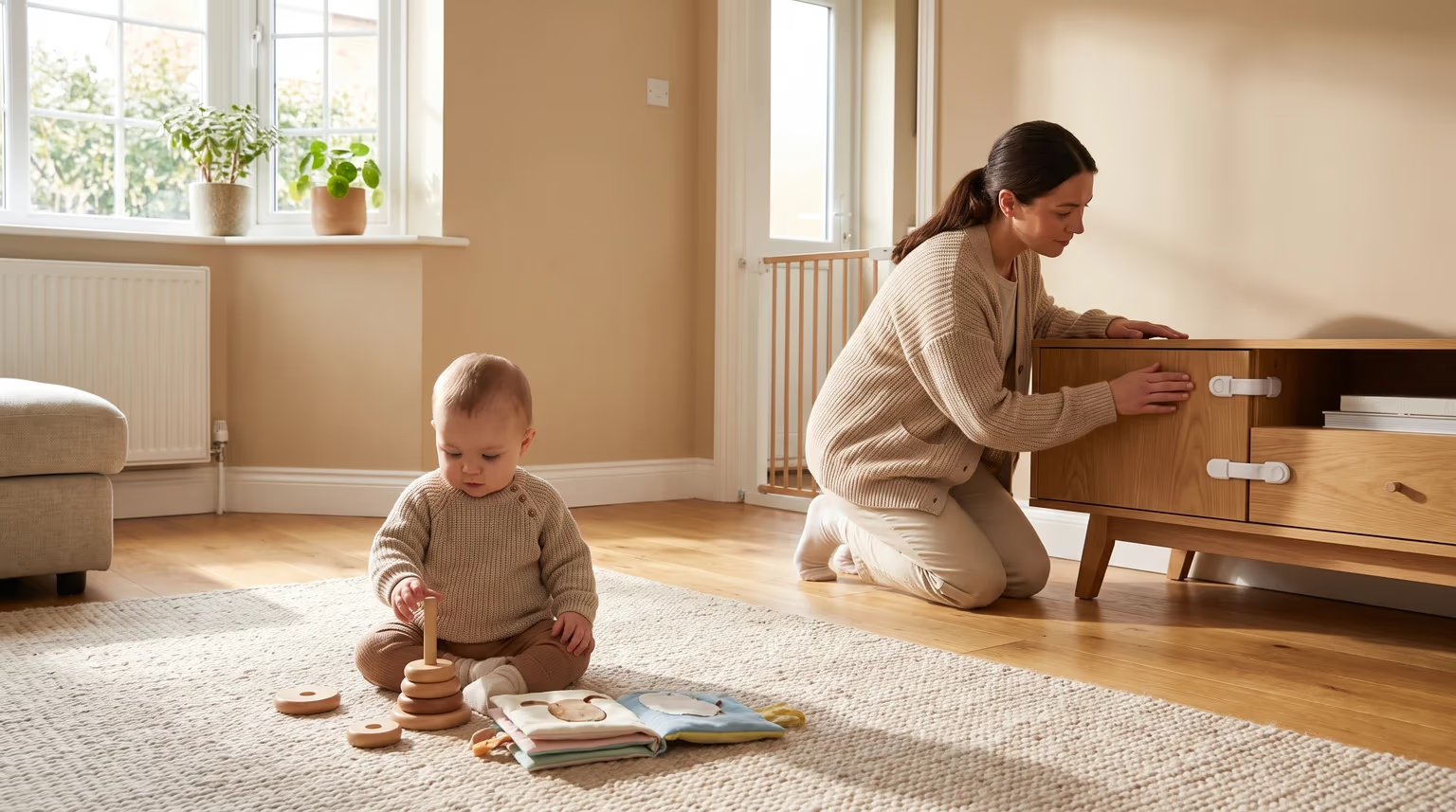
Cupboard and drawer locks can help when they are fitted and checked properly, but they should support safe storage rather than replace it. For cupboards that hold higher-risk items, store the products up high or locked away first, then use child safety locks for cupboards and drawers as an extra barrier.
Keep knives, scissors, peelers, glassware, matches, lighters, batteries and small appliance parts out of reach. Watch for bags, handbags and visitors' coats too, because medicines, coins, vapes and batteries often arrive in pockets.
Reduce burns and scald risks
Move hot drinks well back from edges and keep them away from babies you are holding. Turn pan handles in, use back rings where possible, keep kettle cords short and out of reach, and put irons, hair straighteners and other hot appliances away while they cool.
Bath and sink water can scald quickly. Run and check water carefully, keep the baby away from taps, and do not leave bowls, buckets or mop water where a baby can reach them.
Bathroom and bath-time baby-proofing
Bathroom safety starts before the bath. Put towels, nappies and clothes within reach before your baby goes near the water, so you do not need to step away.
Stay within arm's reach whenever your baby is in or near water. Bath seats, bath supports, flotation aids and older siblings do not replace an adult. Toilets, buckets and paddling pools also count as water hazards, even when they do not look deep.
Check bath water with your elbow or a bath thermometer, mix it well, and keep hot taps out of reach where possible. A baby bath thermometer can help you check, but it does not replace adult judgement. A baby bath mat may help reduce slips, but it does not make bath time safe by itself.
Store medicines, razors, toiletries, cleaning products, toilet blocks, small items and bins out of reach. Empty buckets and paddling pools straight after use, and block access to ponds, pools or hot tubs if you have them at home or in the garden.
Living room, hallway and everyday play areas
Everyday rooms often feel safer because adults spend more time there, but they can collect hidden hazards.
Secure furniture and TVs where there is a tip-over risk, and keep climbable furniture away from windows. Check tablecloths, trailing cables, lamps, heaters, fireplaces, remotes, key fobs, button batteries, magnets, coins and older siblings' toys. Corner protectors and edge guards can soften some bumps, but they are lower priority than securing heavy furniture, managing cords and removing small hazards.
Pet bowls, pet food, cat litter, pet medicines and small pet toys should be kept away from babies. If you use a fireplace, heater, candle or charger in a living area, keep your baby under close supervision around it and move them away before you turn your attention elsewhere.
Garden, balcony and outdoor water safety
Outdoor areas need the same supervision rules as the bathroom, with extra attention to water, height and heat. Empty paddling pools and buckets after use, block access to ponds and pools, and keep hot tubs covered and inaccessible when not in active use.
Keep garden chemicals, tools, compost, BBQs, fire pits, heaters and plant food out of reach. On balconies, keep climbable furniture away from edges and check that any barrier or restrictor is suitable, maintained and not treated as a substitute for supervision.
When to get urgent help
Baby-proofing is about prevention, but it helps to know which emergency and NHS services to use before you need them:
- Poisoning or harmful exposure: get immediate medical advice if you think your baby may have swallowed, touched or breathed in something harmful. Call 999 or go to A&E if the exposure is likely to be harmful, symptoms are severe or you have urgent concerns; call NHS 111 if you are unsure whether something is harmful. Keep packaging to show professionals if you can.
- Button battery: if a baby may have swallowed a button battery, go straight to A&E or call an ambulance on 999. Do not wait for symptoms.
- Strong magnets: seek urgent medical advice, go to A&E or call 999 if a baby may have swallowed strong magnets, especially if more than one may have been swallowed or your baby is unwell.
- Choking or breathing difficulty: follow NHS choking first aid. Call 999 if the blockage does not come out, your baby cannot breathe, cry or cough, or they become unconscious. Seek medical help even if the object comes out.
- Falls, head injury or serious accident: call 999 or go to A&E for serious injury, a suspected broken bone, electrocution, collapse, unusual drowsiness, repeated vomiting or worrying symptoms. Use NHS 111 if you are unsure what to do.
- Burns or scalds: cool the burn with cool running water for at least 20 minutes, remove nearby clothing or jewellery if it is not stuck, and seek urgent help for a serious burn, for any burn to a baby or if there are worrying symptoms. Use NHS 111 if unsure.
- Drowning or near-drowning: call 999 immediately if your baby is not breathing normally, is unresponsive, has a blue or grey colour, or has had a near-drowning incident. Follow emergency instructions.
- Fire or smoke: get everyone out, stay out and call 999. Do not go back in for belongings.
- Carbon monoxide: move everyone into fresh air, stop using the suspected appliance if safe, and get medical advice. Use NHS 111 for symptoms or uncertainty; call 999 or go to A&E for severe symptoms such as breathing difficulty, confusion, loss of consciousness, weakness, chest pain or muscle pain.
Baby-proofing FAQ
References::
- NHS: Baby and toddler safety
- NHS: What to do if your child has an accident
- NHS: How to stop a child from choking
- NHS: Poisoning
- NHS: Carbon monoxide poisoning
- The Lullaby Trust: Keeping a clear cot
- The Lullaby Trust: Baby sleeping products
- Child Accident Prevention Trust: Child safety advice
- Child Accident Prevention Trust: Drowning
- Child Accident Prevention Trust: Poisoning prevention
- Child Accident Prevention Trust: Strangulation
- Child Accident Prevention Trust: Falls
- GOV.UK: Using button and coin batteries
- GOV.UK: Child safety - small hazards, big harm
- Electrical Safety First: New parents
- London Fire Brigade: Smoke alarms and heat alarms
- London Fire Brigade: Carbon monoxide safety
- Royal Life Saving Society UK: Splash Safely in the Bath
- BSI Knowledge: BS EN 1930 safety barriers