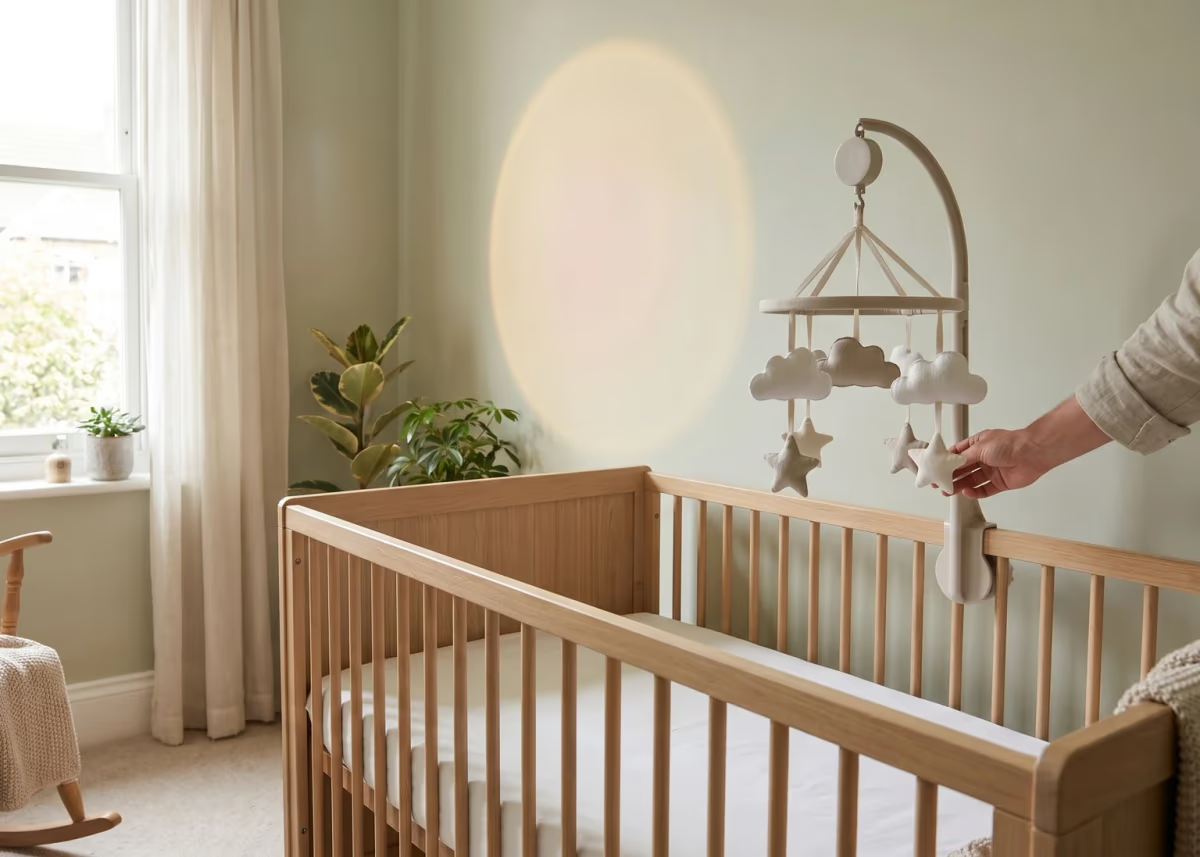
The best cot mattresses for 2026
Four firm cot mattresses for 120 x 60 cm cots and 140 x 70 cm cot beds, from a best-selling fibre pick to sprung and foam options, each tested to BS EN 16890.
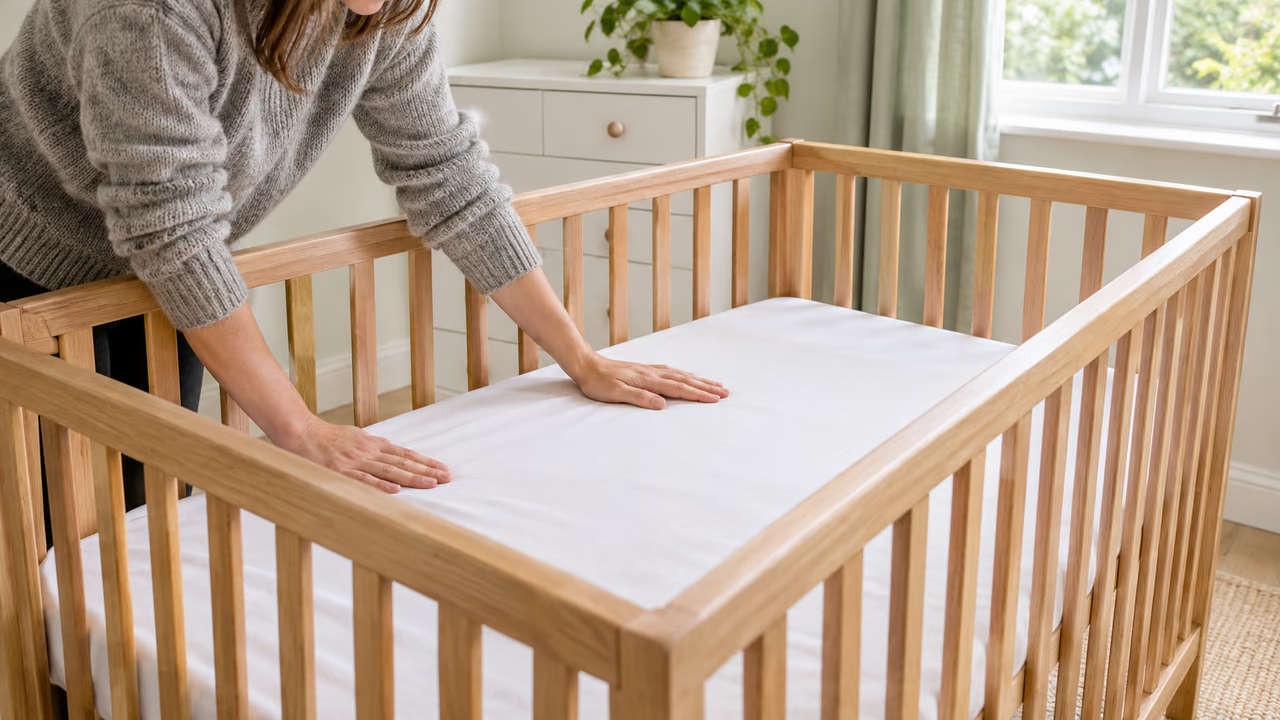
A good cot mattress does three things: it fits the cot with no gaps, gives your baby a firm, flat surface to sleep on and copes with leaks and night-time sheet changes. Start with size. Most UK cots take a 120 x 60 cm mattress and most cot beds a 140 x 70 cm one, but the size in your cot's instructions is the one to buy.
Every mattress below comes in both sizes, has a cover that comes off for washing and is tested by its maker to BS EN 16890, the safety standard for cot mattresses. What changes is what's inside (fibre, springs or foam) and how the cover is cleaned.
Compare | ||||
|---|---|---|---|---|
| Best for | Best for Most cots and cot beds | Parents who prefer springs | A firm foam mattress | A plainer fibre mattress |
| Inside | Inside Recycled eco fibre, reversible | Open coil springs | 10 cm vented foam | Single-layer eco fibre, reversible |
| Cover | Cover Quilted, water resistant, machine washable | Water resistant, 40°C wash, plus waterproof liner | Water resistant, 60°C wash | Water resistant, machine washable |
The best cot mattresses we recommend
Each mattress is sold in 120 x 60 cm and 140 x 70 cm, so pick the size option that matches your cot before you click through.
1. Mother Nurture Classic Eco Fibre cot mattress

The Classic Eco Fibre is the cot mattress we would suggest to most parents first. It has a firm core made from recycled fibres, a quilted cover that unzips for the wash and a choice of cot and cot bed sizes, so it suits most nurseries.
Why did we choose this product?
It is one of the best-selling cot mattresses on Amazon UK, and owners mostly mention how well it fits and how easily the cover comes off for washing. It is reversible, made in the UK and tested by Mother Nurture to BS EN 16890 and BS 7177.
Available options
Keep in mind
The cot bed size comes in 10 cm and 13 cm depths. The deeper one sits higher in the cot, so pick the depth your cot's instructions allow, and check the size option before you check out.
Features that may help you
•Best for: most cots and cot beds
•Sizes: 120 x 60 x 10 cm, 140 x 70 x 10 cm or 140 x 70 x 13 cm
•Inside: recycled eco fibre core, reversible
•Cover: quilted, water resistant, removable and machine washable
•Standards: BS EN 16890 and BS 7177
2. Mother Nurture Classic Spring cot mattress

If you would rather have springs, the Classic Spring is the one to look at. An open coil spring core sits under a quilted cover, and a separate waterproof liner adds a second layer of protection against leaks.
Why did we choose this product?
Owners like getting a sprung mattress at a sensible price and say the cover and waterproof layer make leaks easy to deal with. The cover wipes clean or unzips for a 40°C wash. Mother Nurture tests it to BS EN 16890 and BS 7177 and lists it for use from birth to four years.
Available options
Keep in mind
It is the heaviest and usually the priciest mattress here. A few owners found the cot bed size a tight squeeze at first; snug is what you want, as long as it lies completely flat once it is in.
Features that may help you
•Best for: parents who prefer springs
•Sizes: 120 x 60 x 10 cm or 140 x 70 x 10 cm
•Inside: open coil spring core
•Cover: water resistant, wipe clean or 40°C wash, plus waterproof liner
•Standards: BS EN 16890 and BS 7177
3. Obaby Foam cot mattress

Obaby makes cots and cot beds, and its foam mattress is a straightforward, firm option sized for them and for other standard UK cots. The 10 cm core is dent-resistant vented foam, and the cover comes off for a 60°C wash.
Why did we choose this product?
Parents describe it as firm, say it wipes clean quickly after night-time accidents and find it keeps its shape over long use. Obaby tests it to BS EN 16890 and BS 7177.
Available options
Keep in mind
A few owners noticed a smell when it was new; those who mention it found it faint or say it faded after airing. Unwrapping it a few days before you need it gives it time to air.
Features that may help you
•Best for: a firm foam mattress
•Sizes: 120 x 60 cm or 140 x 70 cm, 10 cm deep
•Inside: dent-resistant vented foam
•Cover: water resistant, removable, washable at 60°C
•Standards: BS EN 16890 and BS 7177
4. Mother Nurture Eco Fibre cot mattress

The Eco Fibre is Mother Nurture's plainer fibre mattress: a single-layer eco fibre core under a water-resistant Kidtech cover that unzips for the wash. Like the Classic, it is reversible and made in both sizes.
Why did we choose this product?
Choose it if you like Mother Nurture's fibre mattresses but don't need the Classic's quilted, layered build. Owners mostly describe it as firm and say it fits standard cots well, and it is tested to BS EN 16890 and BS 7177.
Available options
Keep in mind
The two Mother Nurture fibre mattresses are often close in price, and which is cheaper can depend on the size. Compare them on the day you buy and go with the Classic if there is little in it.
Features that may help you
•Best for: a plainer fibre mattress
•Sizes: 120 x 60 cm or 140 x 70 cm, 10 cm deep
•Inside: single-layer eco fibre core, reversible
•Cover: Kidtech, water resistant, removable and machine washable
•Standards: BS EN 16890 and BS 7177
How to choose a cot mattress
Whether you are choosing from this list or checking a mattress you already have, go in this order: size and fit first, then firmness, then the cover. The filling and any extras come last.
Cot mattress sizes: 120 x 60 or 140 x 70 cm
There is no single standard cot mattress size. Most UK cots take a 120 x 60 cm mattress and most cot beds take 140 x 70 cm, but some cots use other sizes, such as 100 x 50 cm space-saver cots. Your cot's instructions give the size to buy, and if you have lost them, the maker's website usually has a copy.
The two main sizes are not interchangeable. A cot mattress in a cot bed leaves gaps around the edges, and a cot bed mattress is too big to lie flat in a cot. Travel cots, bedside cribs and Moses baskets take their own mattresses: use the one made for that product, and never put a folded blanket or quilt under your baby to make a thin one feel softer.
How to check the fit
Measure the inside of the cot base, length and width, rather than the outside of the frame, and compare it with the mattress size. Once the mattress is in, look along all four edges. It should fit snugly, with no gaps where your baby's head could get trapped. If you can see a gap, it is the wrong mattress for that cot.
Some mattresses come in more than one depth. A deeper mattress sits higher in the cot, so if your cot's instructions give a mattress depth, stick to it.
Firm, flat and made to the right standards
A cot mattress should be firm and completely flat, with no raised or cushioned edges. The NHS and The Lullaby Trust give a simple test: when your baby lies on it, their head should sink no more than a few millimetres. A softer mattress makes it harder for a baby to lose heat.
Fibre, foam, springs and natural fillings such as coir or wool can all make a good cot mattress if they pass that test, so choose the filling on feel, weight and price. Labels such as breathable, hypoallergenic or anti-allergy describe the materials; they do not replace a firm, flat, well-fitting mattress.
On the label or listing, look for BS EN 16890, the safety standard for cot mattresses, and BS 7177 for fire resistance. All four mattresses above state both. The Lullaby Trust points out that no standard covers the risk of sudden infant death syndrome (SIDS), so fit, firmness and a clear cot still matter as much as the label.
Waterproof covers and cot mattress protectors
The Lullaby Trust advises a mattress with a waterproof cover, because you can wipe it clean and keep the mattress dry. The covers on the mattresses above are described as water resistant rather than waterproof (the Classic Spring adds a waterproof liner), so it is worth adding a waterproof cot mattress protector, which The Lullaby Trust also recommends.
Buy a protector made for your mattress size, 120 x 60 cm or 140 x 70 cm, so it fits snugly and lies flat, then put a fitted sheet over it. A spare protector and sheet make 3am changes quicker.
New or second-hand?
Buy a new cot mattress for each baby if you can. The Lullaby Trust says some research has linked second-hand mattresses from outside the family home with a higher risk of SIDS, and the NHS says you can reuse a mattress from your own home if it has been stored somewhere clean, dry and smoke-free.
If you do reuse one, it should have:
- a well-fitting, fully waterproof cover
- no rips, tears or water damage
- a firm, flat surface with no sagging
- a snug fit in the cot, with no gaps
- a fire-resistant label
Cleaning cannot fix sagging, damage or a poor fit, so a mattress that fails any of these checks needs replacing.
Keeping the cot safe once the mattress is in
The safest setup is simple: a firm mattress, a fitted sheet and nothing else in the cot. Leave out pillows and duvets, quilts, cot bumpers, sheepskins, soft toys and nests or pods. For warmth, tuck sheets and blankets in firmly no higher than your baby's shoulders, with their feet at the foot of the cot, or use a well-fitted baby sleeping bag. Our sleeping bag and TOG guide covers fit and warmth, and our newborn swaddle picks cover the early weeks.
Check the mattress every so often. If it starts to sag, tear, stay damp or no longer fits snugly, replace it.
Everything else belongs around the cot rather than in it: a baby monitor for checks from another room, a dim night light for night feeds, a white noise machine if it helps your settling routine and a cot mobile fitted as its instructions say.